Poland in no hurry to join the Eurozone, finance minister tells FT
Poland's Finance and Economy Minister Andrzej Domanski has told British daily Financial Times (FT) that the country’s strong economic performance is an argument for keeping its national currency and not introducing the euro.
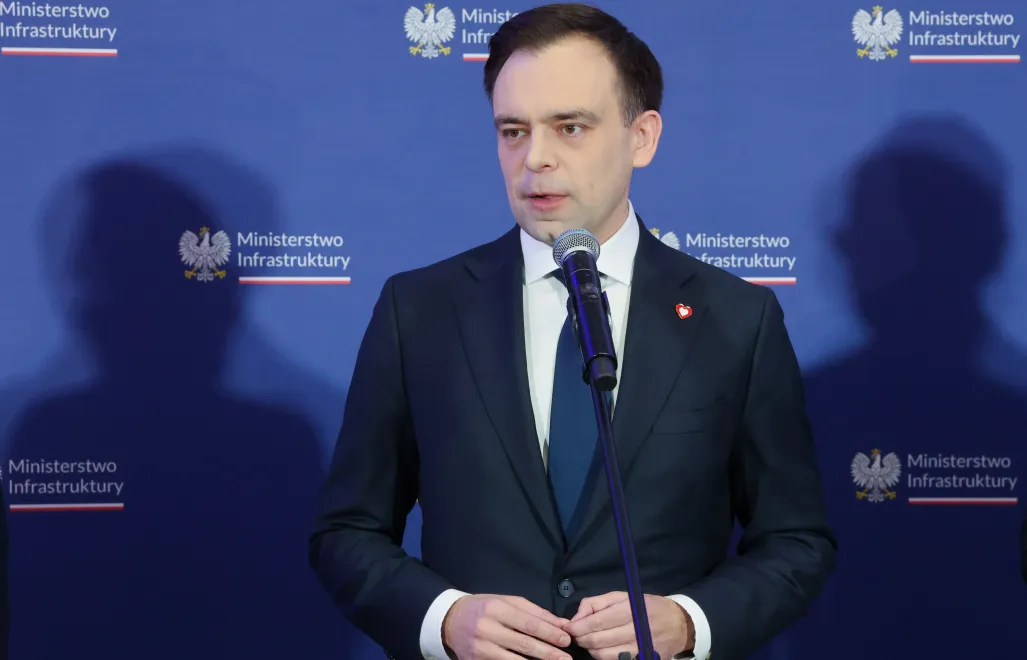
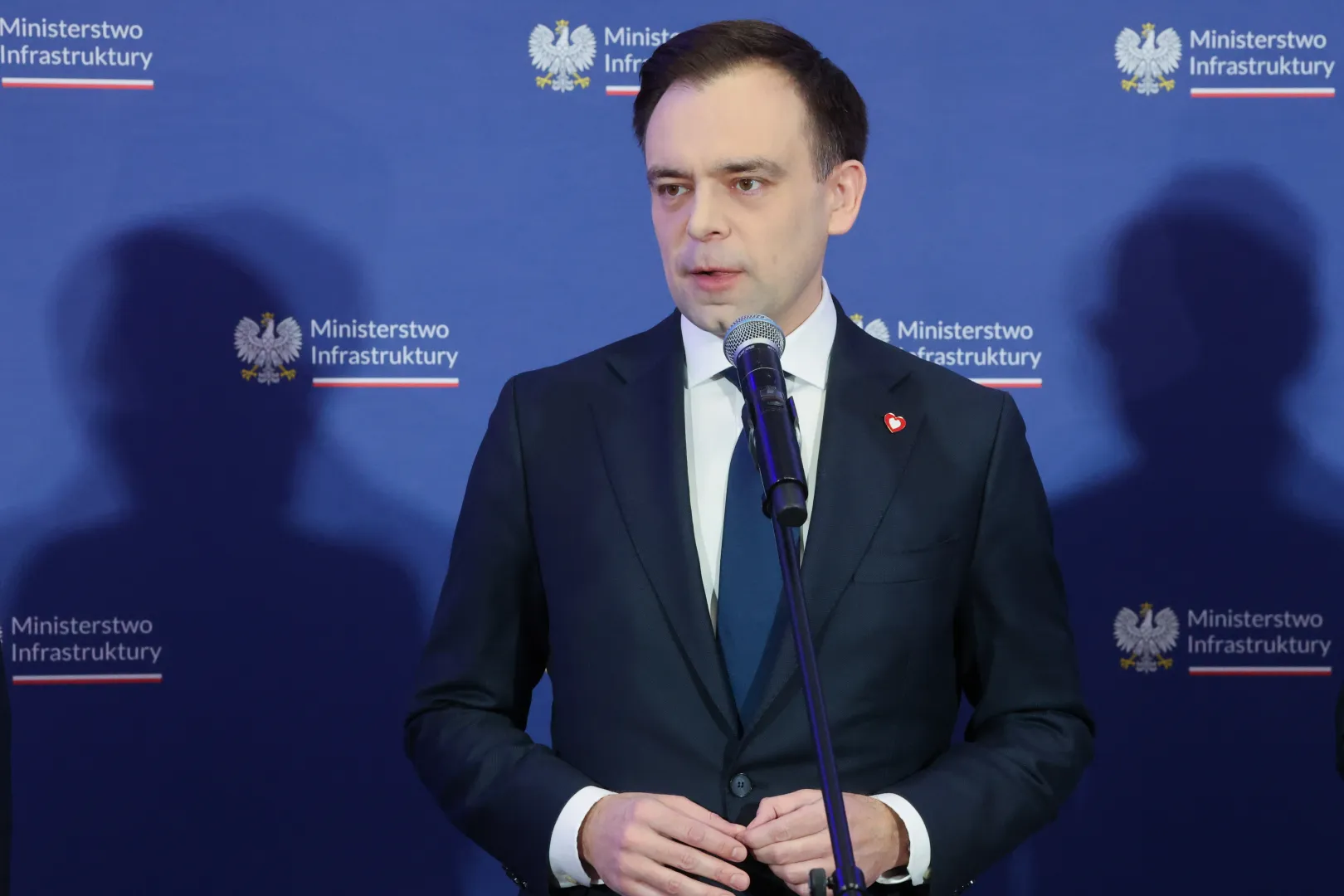
"Our economy is now doing clearly better than most of those that have the euro," Domanski said in an interview published on Sunday.
"We have more and more data, research and arguments to keep the Polish zloty," he said.
Poland's economy crossed the USD 1 trillion mark in nominal GDP in 2025, placing it among the world's top 20 economies, a significant milestone announced by Polish Prime Minister Donald Tusk and supported by International Monetary Fund (IMF) estimates showing GDP around USD 1.04 trillion for 2025, solidifying its status as a major European economic player. The Organisation for Economic Co-operation and Development (OECD) forecasts that Poland's GDP will grow 3.4 percent in 2026, the fastest pace among EU countries covered in its December report.
The Financial Times wrote that Tusk has changed his approach to Poland's adoption of the single currency over the years. Since his campaign won the 2023 parliamentary elections, the zloty has strengthened against the euro, and polls indicate that a majority of Poles oppose the currency change, the daily wrote.
“Public opinion favours the zloty, but the main reasons we’re not working on euro adoption right now are economic and not about Polish politics,” Domanski argued.
“Two years ago I was a bit worried that Poland could be left behind in a two-tier EU and outside the Eurozone, but today Poland is clearly in the top economic tier, and I see no strong reason to abandon our own currency,” he said.
There are currently 21 countries in the Eurozone with Bulgaria, joining the EU in 2007, three years after Poland, becoming the most recent country to adopt the euro at the beginning of this year.
EU countries are required to adopt the euro after meeting convergence criteria, including price stability, public finances, and exchange rate stability. (PAP)
mmr/mf