Inflation in Poland unlikely to grow significantly, says central bank head
Poland is not threatened by a sharp inflation growth like the one reported during the energy crisis caused by Russia's aggression against Ukraine in 2022, central bank's (NBP) Governor Adam Glapinski told reporters on Thursday.
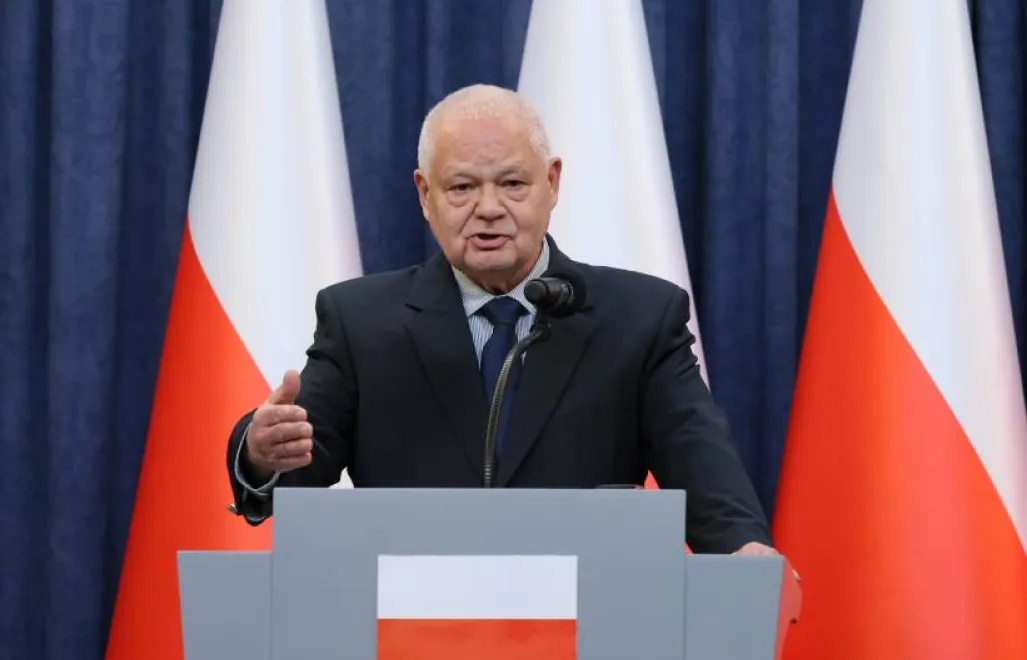
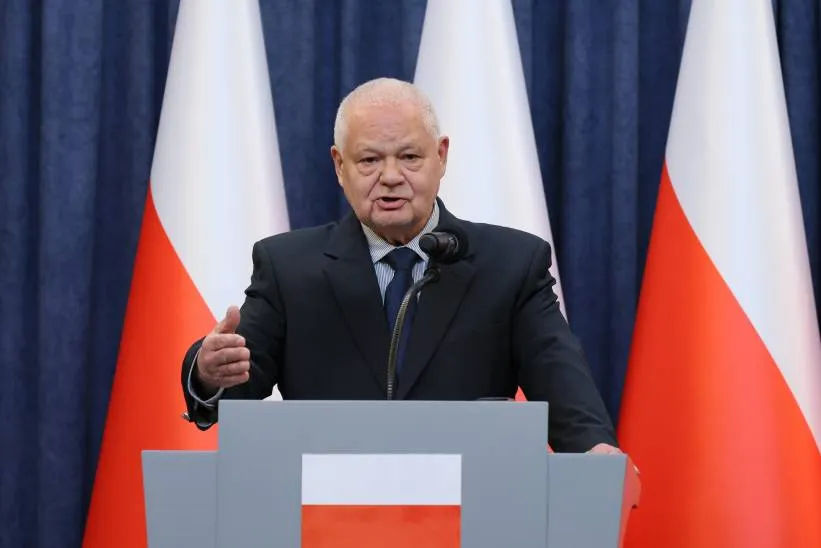
"The current situation in Poland, and in the global economy as a whole, is completely different from that of four years ago," Glapinski explained, adding that it could be said that the situation had stabilised to some extent.
"Both in that theatre of war to the east of us and in the Middle East," he said.
According to Glapinski, although the situation is therefore volatile, it seems that the scale of the supply shock resulting from the conflict in the Middle East is far smaller than might have been previously expected.
Glapinski said that Poland's CPI might rise temporarily but it would remain within the target range and will not exceed 3.5 percent.
"Inflation may grow slightly for a short time in the coming quarters following the fuel tax increase in Poland," Glapinski continued, adding that the inflation rise would result from the conclusion of the government's special programme decreasing VAT and excise tax on fuels.
In Glapinski's opinion, energy prices pose a threat to CPI in Poland in the coming months and quarters. "Prices of energy raw materials, not only crude oil, but also gas and coal, will be of key importance for inflation," he added.
Glapinski also said that the pay growth should not be an inflationary factor since the incoming market data were positive from the inflation perspective.
"They are a sign of a clear slowdown in wage growth. In the enterprise sector, it remained below 6 percent in May for the second consecutive month and was lower than in the first quarter," he continued, adding that the wage growth in April and May had been at its lowest level in five years.
Referring to Poland's economic expansion, Glapinski said that, in 2026, this country's GDP will increase by 3.5 percent while in 2027, the economic growth will decline to 3.0 percent.
Glapinski stated that economic growth did not generate inflation pressure.
"We have inflation at 2.5 percent, exactly the central bank's target, and the economy has been growing at a pace that does not generate excessive inflationary pressure," Glapinski explained, adding that oil prices were volatile but generally lower than in recent months. "This reduces inflation risks for the coming quarters, although we are, of course, aware of a rise in fuel prices due to the end of the anti-inflation shield.
Referring to interest rates, Glapinski said that their cut was probable before the end of the year if nothing changed and if all the signals and parameters continued to look the same.
"I believe that, by mid-2027, all members of the Monetary Policy Council will be no longer cautious if the situation continues to stabilise," he added.
Glapinski did not rule out that he would motion for an interest rate cut by 25 basis points after the summer holidays but declared that two cuts were out of the question. "Of course, I do not know it this motion is accepted," he concluded.
The Monetary Policy Council (RPP), the rate-setting authority of Poland's central bank, maintained on Wednesday the reference interest rate at 3.75 percent, in line with market expectations.
Following a two-day meeting, the RPP confirmed that the deposit rate remains at 3.25 percent, the Lombard rate at 4.25 percent, the rediscount rate at 3.80 percent and the discount rate at 3.85 percent.
The RPP last cut interest rates in March, lowering the reference rate to 3.75 percent in its first reduction of the year. Over the course of 2025, the council reduced rates by a total of 175 basis points, bringing the reference rate down from 5.75 percent. (PAP)
at/mf