Polish deputy PM warns of crypto risks amid Zondacrypto solvency concerns
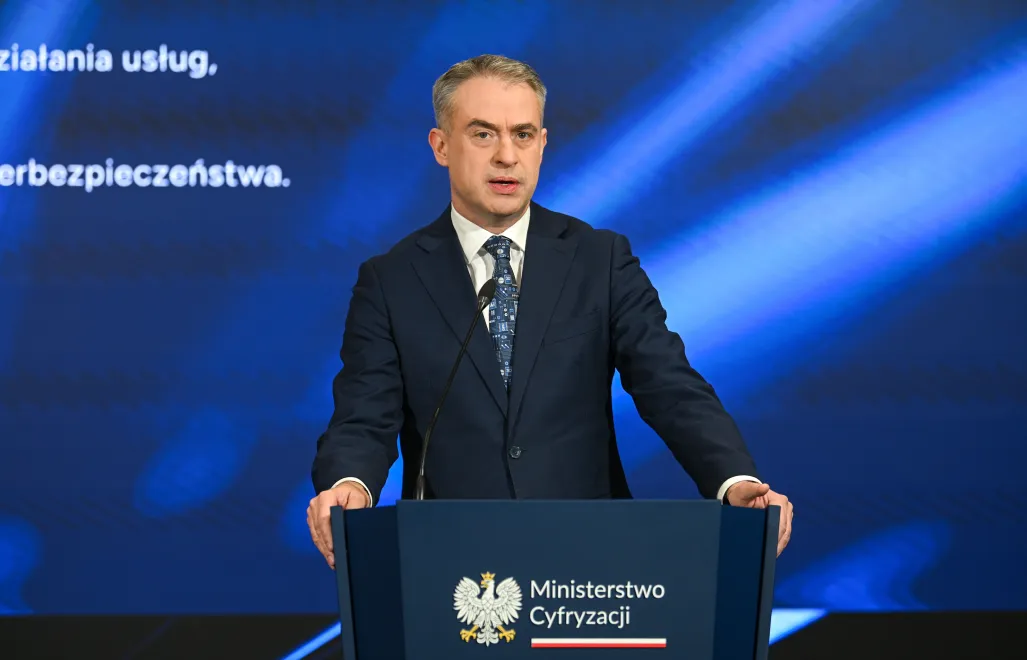
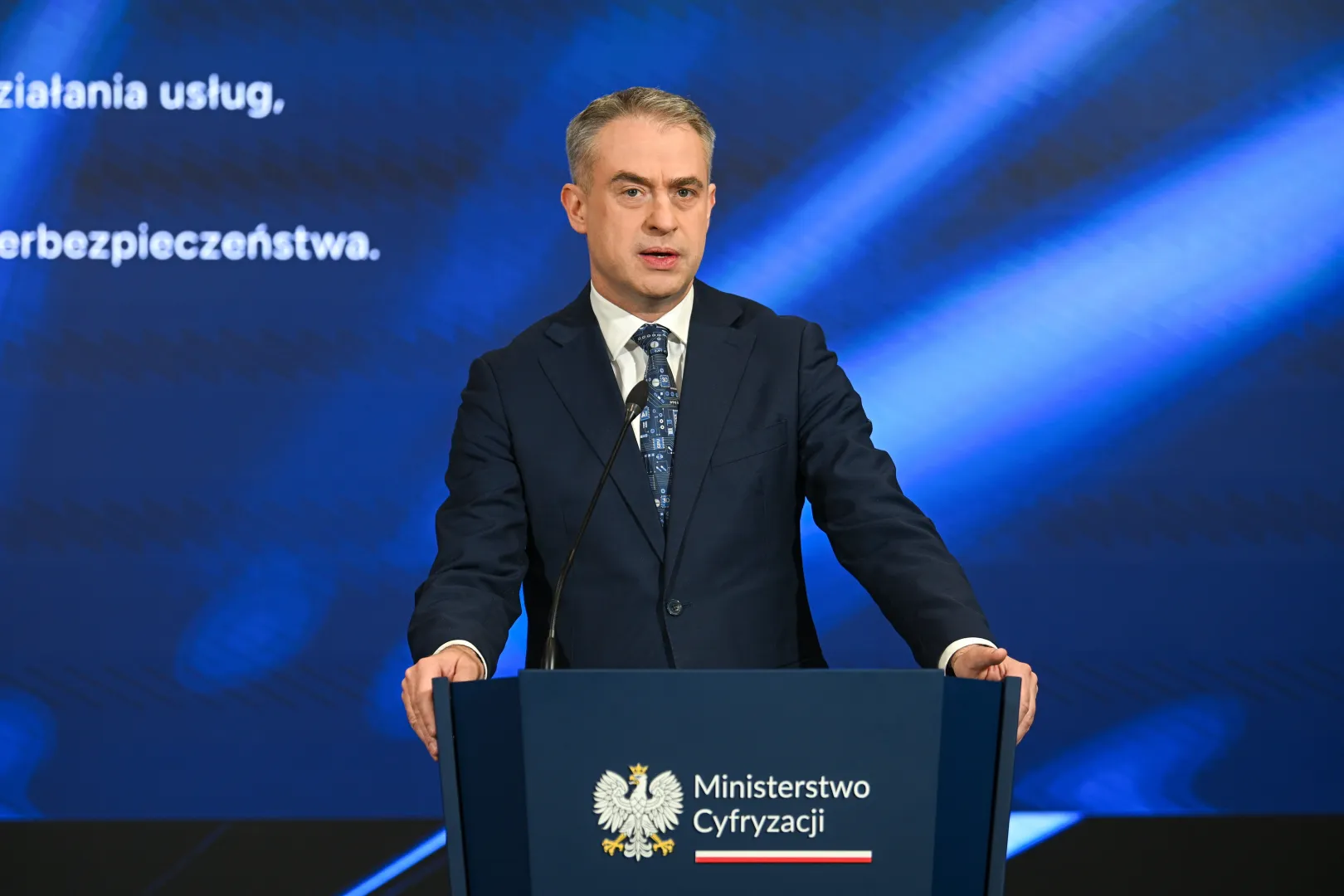
Deputy Prime Minister and Digital Affairs Minister Krzysztof Gawkowski has warned that the absence of regulation in the crypto-asset market is putting the funds of Polish citizens at risk.
The statement comes amid a growing controversy surrounding Zondacrypto, a major Polish exchange reportedly facing a 99-percent drop in its Bitcoin reserves.
"The Polish president has vetoed legislation aimed at securing the crypto-asset market, and this is the result," Gawkowski told a press conference on Wednesday. He argued that Zondacrypto, like any other exchange, should be subject to financial supervision. "The lack of such oversight means we cannot answer the most basic question: Are the citizens' assets safe?"
The dispute follows President Karol Nawrocki's second veto in February of a bill aimed at regulating the crypto-asset market. The proposed legislation would have empowered the Polish Financial Supervision Authority (KNF) to monitor the market and halt public cryptocurrency offerings in cases of suspected violations.
While Gawkowski admitted he lacks precise data on Zondacrypto's financial health, as it does not fall under his ministry's supervision, he said that "political intuition" suggests a lack of transparency. The case is currently being monitored by the Ministry of Finance, the Ministry of Justice, and relevant security agencies.
The issue took on a political dimension on Wednesday when Prime Minister Donald Tusk revealed information from the Internal Security Agency (ABW) regarding financial transfers linked to Zondacrypto CEO Przemyslaw Kral.
According to Tusk, Kral donated approximately PLN 450,000 (EUR 105,808) to foundations linked to the former justice minister in the Law and Justice (PiS) government, Zbigniew Ziobro, and EUR 70,000 to a foundation associated with Przemyslaw Wipler, an MP of the far-right Confederation party.
Tusk also alleged that Zondacrypto sponsored a Conservative Political Action Conference (CPAC) event attended by prominent right-wing figures, including former president Andrzej Duda and then-presidential candidate Nawrocki.
"The time for a parliamentary vote to override the presidential veto is approaching fast," Tusk said, adding that the law is meant to "protect people from events that could dramatically impact their wallets."
Meanwhile, the National Prosecutor's Office announced on Wednesday the launch of a formal investigation into alleged irregularities at Zondacrypto, following a request from Prosecutor General Waldemar Zurek. The inquiry is linked to a broader case regarding the disappearance of Sylwester Suszek, the founder of BitBay (Zondacrypto's predecessor).
The probe follows a report by two media outlets, money.pl and Wirtualna Polska, which cited an analysis by the crypto recovery firm Recoveris claiming that Zondacrypto's "hot wallet" Bitcoin reserves plummeted by over 99 percent between August 2024 and March 2026. Users have reportedly experienced delays in withdrawals, and some sponsored sports clubs have claimed missing payments.
Kral has vehemently denied the allegations, calling the media analysis "false and damaging." In an official statement, he maintained that the exchange remains "stable, solvent, and secure," claiming Bitcoin reserves exceeded 4,500 BTC as of April 1, 2026. He argued that external analysts lack access to "cold wallets" (offline storage), which hold the bulk of the company's assets. Kral has announced plans to take legal action against the publishers.
Zondacrypto has been operating since 2014 and holds licenses in Estonia, Italy, Slovakia and Canada. (PAP)
mmr/jch