UNESCO lists Polish port city's centre as world heritage site
The modernist city centre in the coastal city of Gdynia received the world heritage site recognition on Sunday, at the 48th session of the UNESCO World Heritage Committee held in Busan, South Korea, as the 18th property listed as such in Poland.
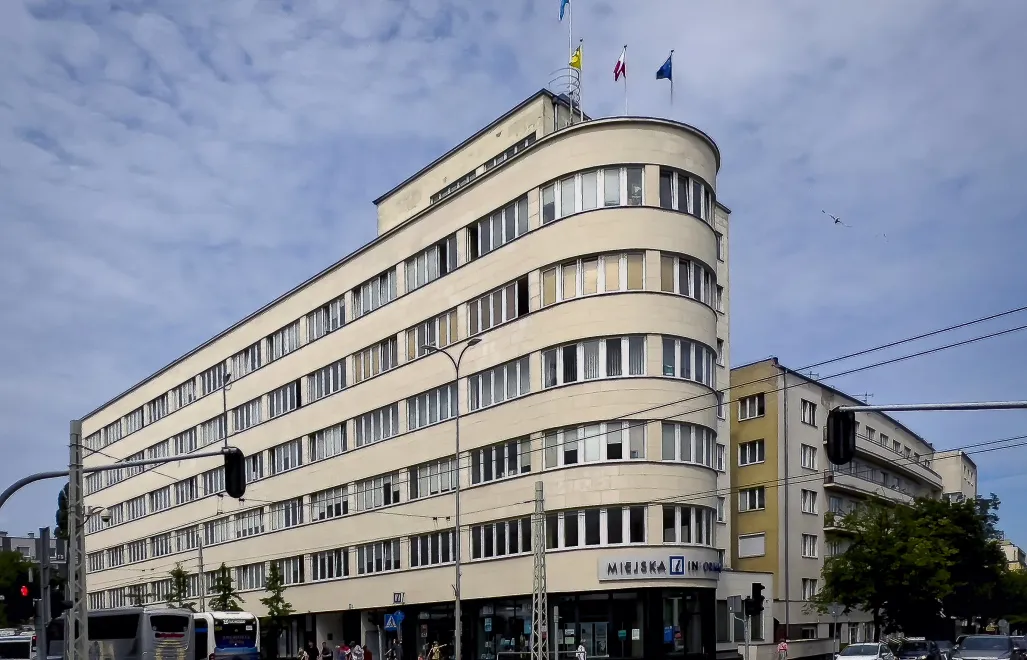
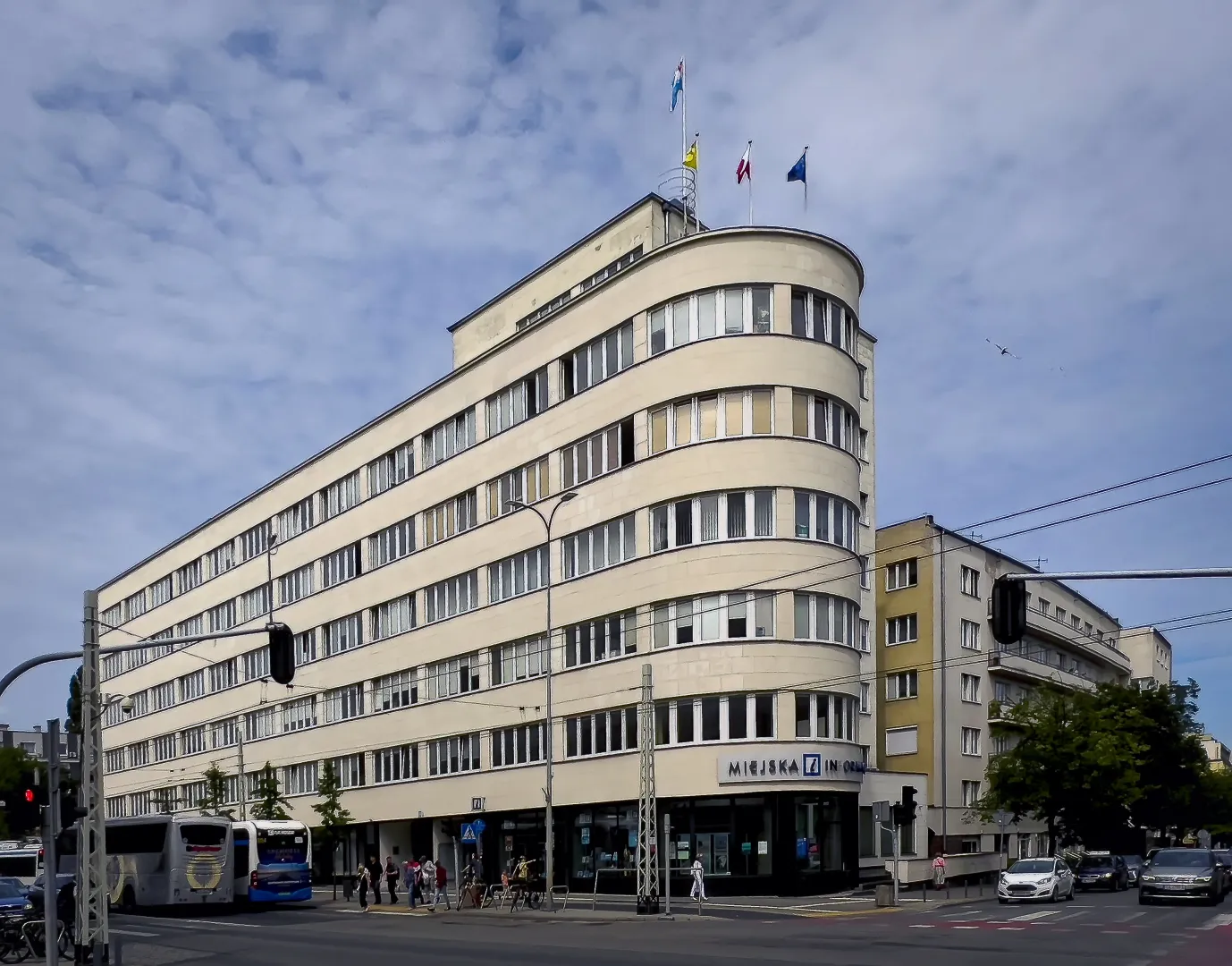
Once a fishing village, Gdynia was granted city rights 100 years ago, after Poland regained independence, having been partitioned for more than a century. The decision turned a fishing village into a modern centre of maritime infrastructure and one of the country's economic, cultural and academic powerhouses.
The UNESCO World Heritage Convention described on its website Gdynia's city centre as "an urban organism that harnesses a building-block-based planning approach to develop a characteristic, compact complex of modernist architecture". Its buildings of this period illustrate "a critical break with historicism in the progression of turning the village of Gdynia into a new major sea gateway of the first Polish Republic between the First and Second World Wars," it said.
"This is a day that will go down in Gdynia's history," Mayor Aleksandra Kosiorek said in a statement. She called UNESCO's decision "a tribute to the courageous people - urban planners, architects, engineers and builders - who believed that a modern port and city could be created from a small village".
"We dedicate these moments to all the residents of our city who care for this unique heritage every day and will protect it for all generations," Gdynia's deputy mayor, Oktawia Gorzenska, said shortly after the vote.
She thanked the international conservationist organisation ICOMOS, Gdynia city authorities, experts, the government of Pomorskie province, the Ministry of Foreign Affairs, as well as the Polish permanent delegation and ambassador to UNESCO, Mariusz Lewicki, for their support.
According to Lewicki, in its decision, UNESCO not only recognised the unique architectural qualities of Gdynia, but also Poland's efforts to develop the city for the past 100 years.
The UNESCO World Heritage List falls under the international convention of 1972 and includes 1,273 cultural or natural properties deemed by the committee to have outstanding universal value. To be added to the list, the properties must meet rigorous criteria of authenticity and integrity.
Among the 18 listed Polish sites are the historic Warsaw city centre, the medieval town of Torun in central Poland and the Castle of the Teutonic Order in the northern city of Malbork. (PAP)
wpb/mf/ kgr/