Polish, Lithuanian presidents mark anniversary of 1863 uprising against Russia
Polish and Lithuanian presidents on Saturday marked the 163rd anniversary of the January Uprising, the largest and longest-lasting armed insurrection against Russian rule on Polish soil.
The 1863 rebellion aimed to restore the independent Polish-Lithuanian Commonwealth, which Tsarist Russia had partitioned and controlled. It was eventually brutally suppressed the following year by imperial Russian forces.
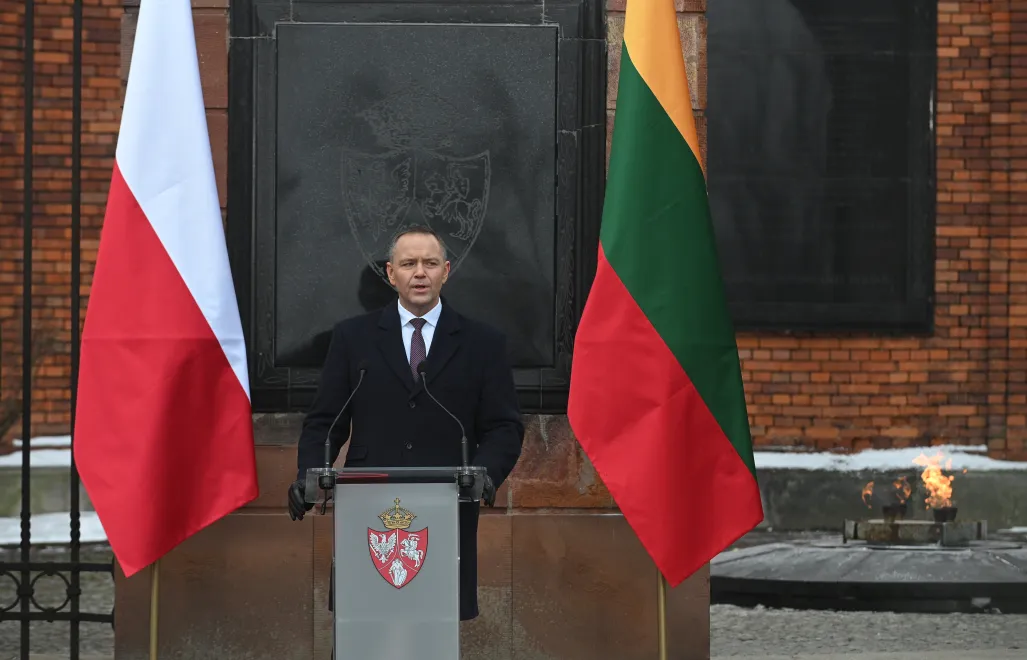
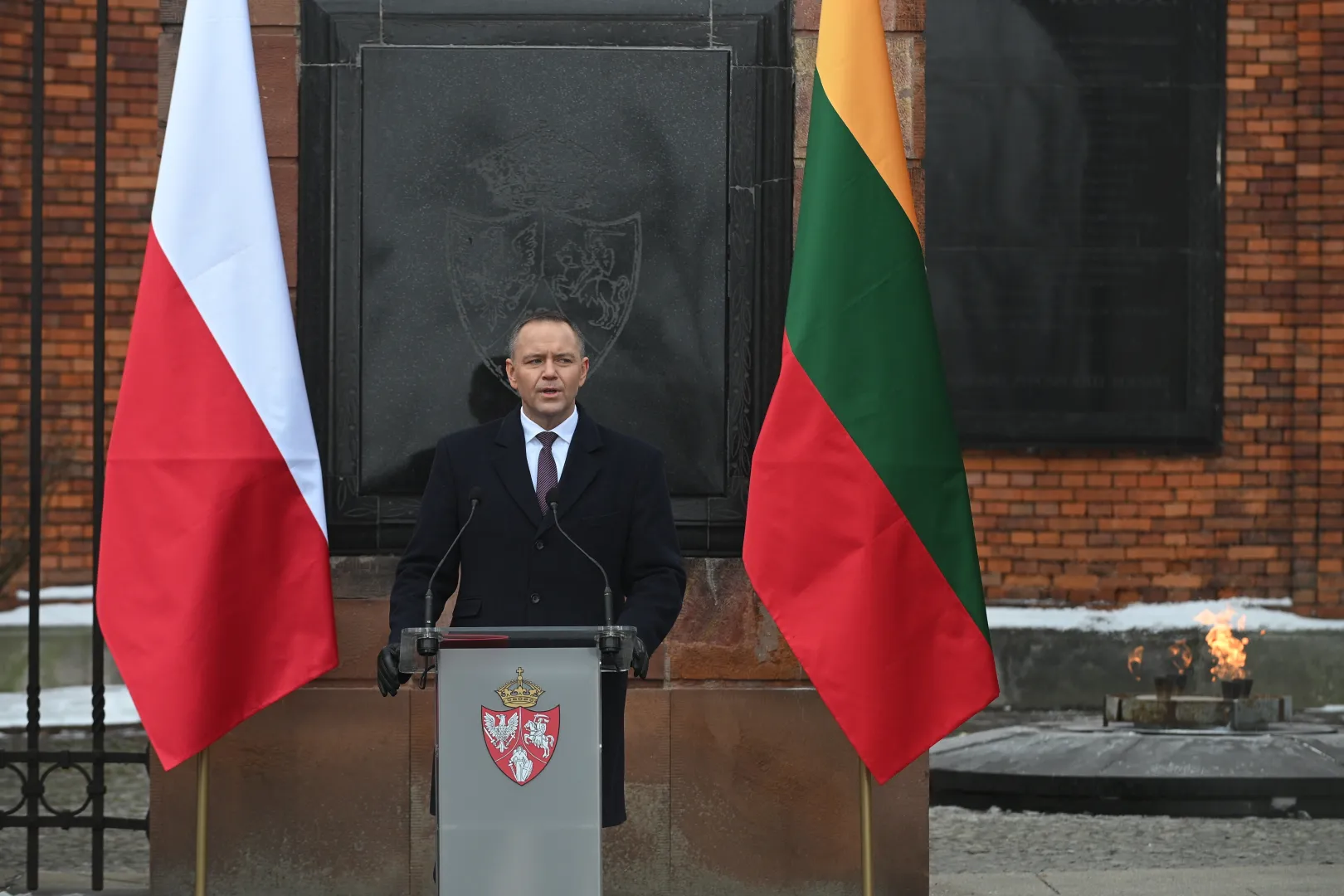
Speaking at a ceremony commemorating the January Uprising's outbreak, held at the Warsaw Citadel and attended by his Lithuanian counterpart Gitanas Nauseda, Polish President Karol Nawrocki said that it was "an uprising of dignity and the desire to build independence."
"The insurgents also fought because they remembered the First Polish Republic, the Polish-Lithuanian Commonwealth that was the common home of Poles, Lithuanians, and Ruthenians [ancestors of modern Ukrainians and Belarusians] ... the only home the insurgents knew when they went into battle," he said.
He recalled that 200,000 insurgents took part in the January Uprising, 20,000 of whom lost their lives, and 700 insurgents were murdered in public executions in Warsaw and Vilnius.
"It is this blood that to this day builds our sense of independence and sovereignty, which became one of the historical foundations of the rebuilding of the Second Polish Republic, for which the January Uprising was a point of reference," Nawrocki said.
Nauseda said that Lithuania and Poland are two brotherly nations that understand the loss of freedom, the struggle to regain it and the need to defend it.
He said that Poland and Lithuania are today the targets of a common enemy, adding that the courage, strength, and achievements of both nations pose a threat to Russia's authoritarian president, Vladimir Putin, who can only offer millions of people more grief, suffering, and sacrifice.
"We are inconvenient because we remind them that there is always the possibility of resistance, perseverance, and the building of societies and states based on human dignity. We are worthy heirs of the January Uprising and we have a duty to remain so," Nauseda said.
Both presidents lit candles at the symbolic graves of January Uprising participants at the Warsaw Citadel.
In 1863-1864 Russian troops executed 21 leaders and participants of the 1863 January Uprising against the Russian Empire, which had partitioned Poland together with Prussia and Austria at the end of the 18th century and kept it off the European map for 123 years. The victims' bodies were buried in secret. In 2017 the burial sites of twenty of the insurgents were discovered during archaeological work on Vilnius' Castle Hill. (PAP)
mmr/wpb