Tusk's 'no' to labour agency reform raises coalition partners' concerns
Polish Prime Minister Donald Tusk's rejection of a reform that would increase the powers of the labour inspection agency PIP has perplexed junior ruling coalition partners over its impact on Poland's EU commitments and labour standards.
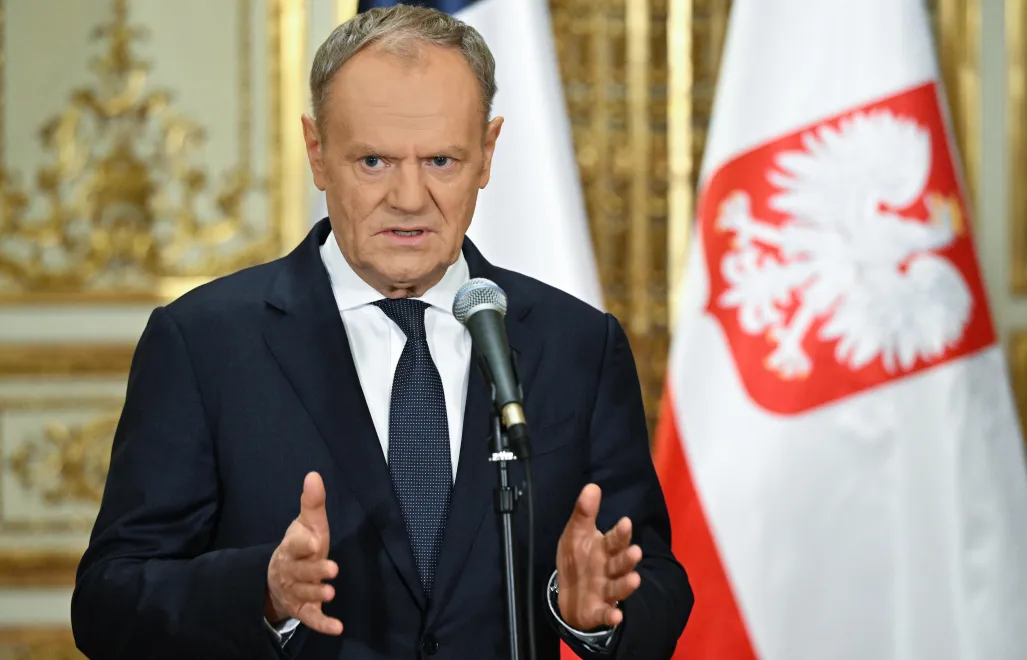
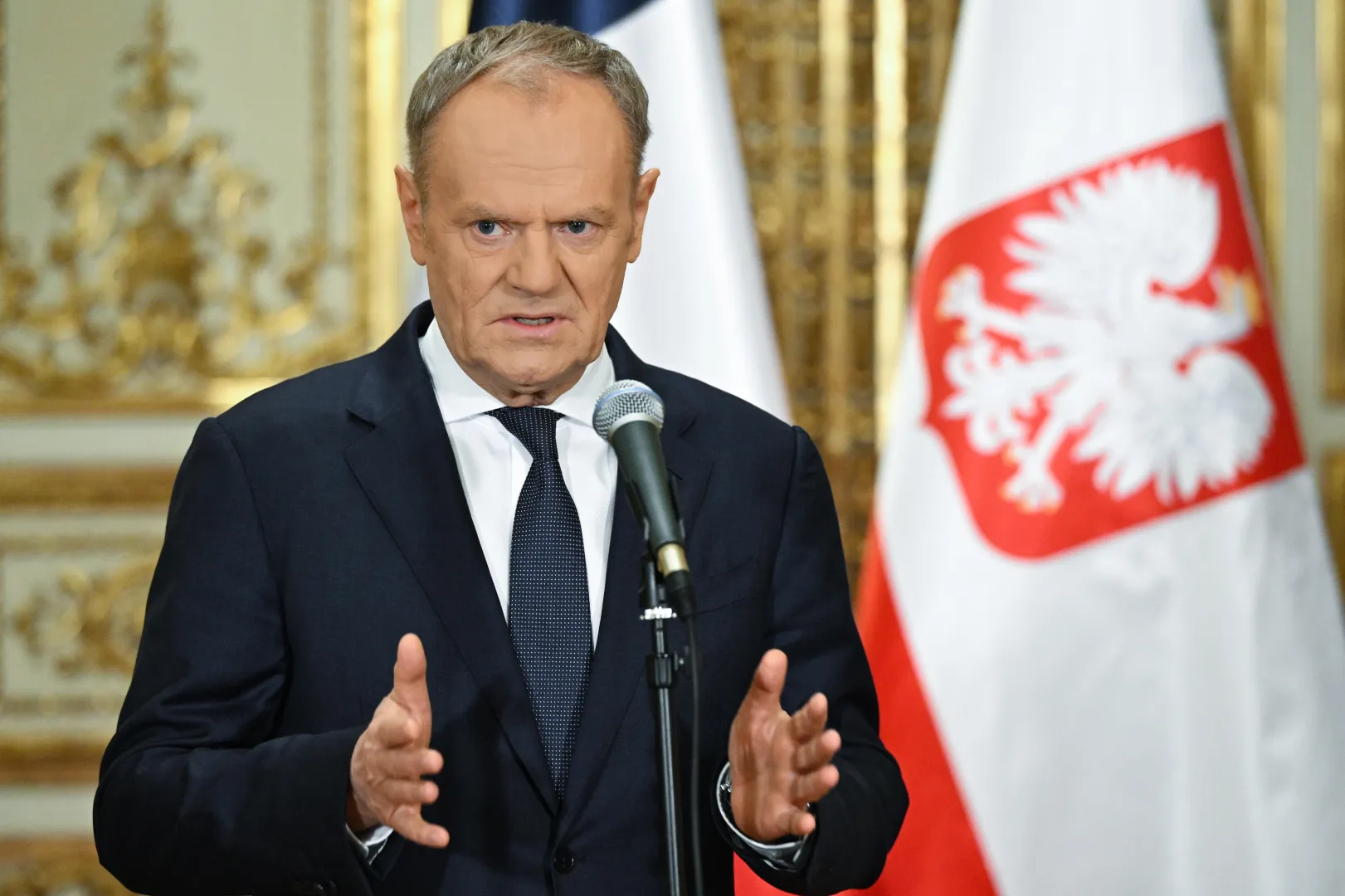
The reform was meant to give PIP inspectors the power to change low-quality, no-benefit job contracts into full time employment if the employment conditions indicated the latter solution should be applied. This met with strong opposition from Tusk, who said on Tuesday that excessive power of bureaucrats would be destructive for companies and would drive many people into unemployment.
Tusk's declaration that work on the new legislation would not be continued came just weeks after the Council of Ministers Standing Committee accepted the draft reform of PIP.
The reform is one of the so-called milestones, or commitments, in Poland's National Recovery Plan (KPO), a multi-billion euro post-pandemic support scheme funded by the European Union.
Labour Minister Agnieszka Dziemianowicz-Bak, whose ministry drafted the reform, told reporters on Wednesday she would discuss with the other ruling coalition partners effective ways to fight the widespread "junk contracts." Dziemianowicz-Bak is a member of The New Left, who along with the agrarian Polish People's Party (PSL) and the centre-right Poland 2050 are in government with Tusk's centrist Civic Coalition.
She said the aim of the changes was to protect employees against employers' unfair practices, quoting the example of pregnant women working under irregular contracts who can be fired without the notice period.
"It's a problem that The Left wants to fight against... but we will discuss with coalition partners what kind of tool we will use," she said.
Jan Szyszko, a deputy minister for funds and regional policy and member of Poland 2050, said the prime minister's decision means that Poland will have to renegotiate the KPO agreement with the European Commission (EC).
"When it comes to the KPO, I'll be brief: the PIP reform was included in the Plan as a result of a decision of the Council of Ministers," Szyszko wrote on X on Wednesday. "After long but effective negotiations, the reform replaced mandatory (social insurance - PAP) premiums on every commission contract. The Prime Minister's new decision changes the situation and means that new talks with the EC are necessary." (PAP)
jd/mf