Poland, EC sign SAFE loan agreement
Polish ministers of defence and finance, and EU budget and defence commissioners have signed the agreement on the EU-sponsored SAFE programme, granting Poland up to EUR 43.7 billion in low-interest loans to fast-track army modernisation efforts.
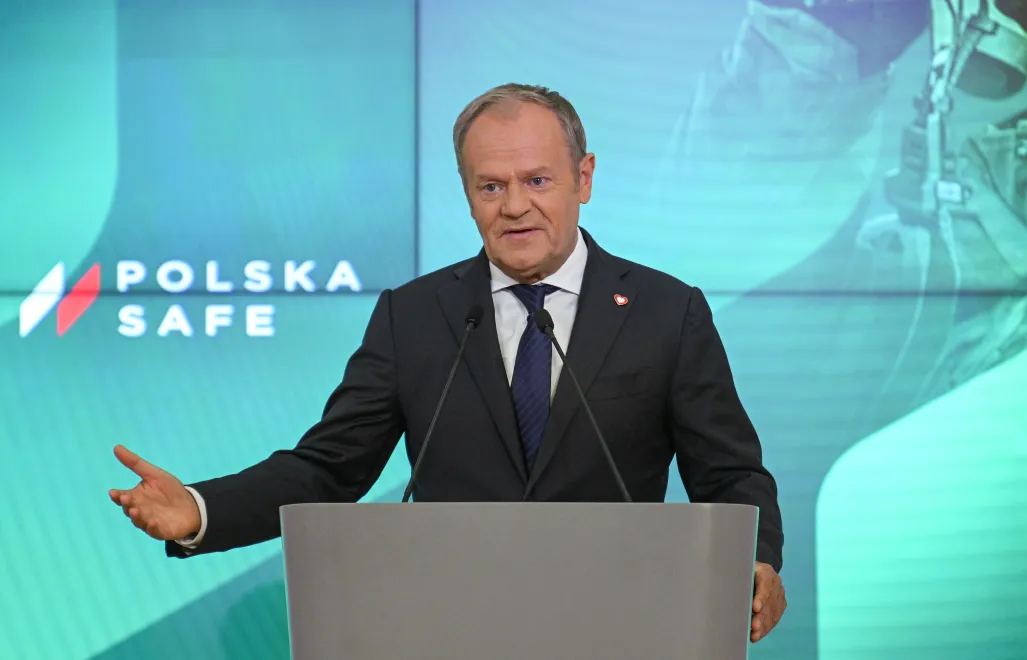
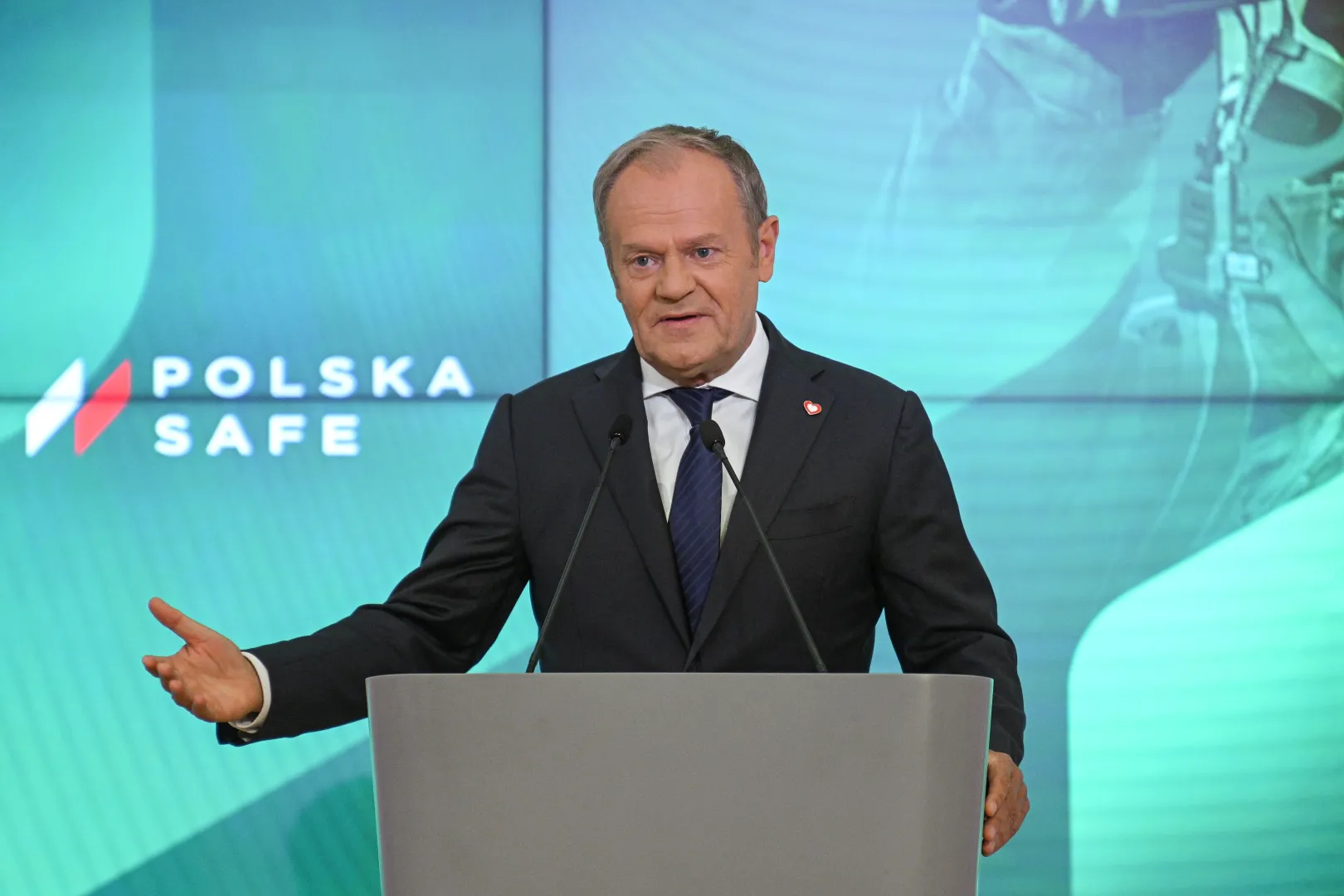
The agreement was signed at the Prime Minister's Office in Warsaw on Friday by Defence Minister Wladyslaw Kosiniak-Kamysz and Finance Minister Andrzej Domanski, and the EU commissioners for budget and defence, Piotr Serafin and Andrius Kubilius, respectively.
Prime Minister Donald Tusk was also in attendance.
"This is a breakthrough moment in the history of Poland and the European Union," he said after the signing. He added that the loan amount, nearing PLN 180 billion, will make Poland "safer in these difficult, risky times."
Kosiniak-Kamysz said that by proposing an EU defence loan mechanism during its presidency of the EU Council in the first half of 2025, Poland initiated "the biggest, historic, and first true programme for (bolstering EU-wide - PAP) security."
Kubilius thanked Polish authorities for being a true leader in taking responsibility for the defence of Poland, the eastern flank and Europe as a whole.
Later that day, Bartosz Grodecki, the newly appointed head of the National Security Bureau (BBN), wrote on X that signing up to the SAFE programme "is a decision which will have future legal and financial consequences."
"Poland's security must be built on the strength of its own state, its own economy and its own decisions, and not on mechanisms which may become the subject of a political game," Grodecki wrote.
The BBN chief argued that the SAFE loan, denominated in a foreign currency and repayable over 45 years, could one day be politically blocked by external institutions, even as Poland would remain obliged to service the debt.
"Sovereignty financed on credit is not true sovereignty," he added.
Poland, the biggest beneficiary of the programme, received the European Commission's approval to sign the SAFE loan agreement as the first state among the 19 participants in the programme, followed by Lithuania, where the EC commissioners will travel next.
Approved on February 17, SAFE allocates the total of EUR 150 billion in low-interest loans to participating member states for the purchase of military equipment, preferably from European manufacturers.
On March 12, President Karol Nawrocki announced he would not sign the bill that would introduce the EU's SAFE defence financing mechanism into Polish law.
To bypass the presidential veto, the government adopted a resolution authorising defence and finance ministers to sign the SAFE deal.
Warsaw was keen on signing the SAFE loan agreement as soon as possible, as, in line with the relevant EU regulation, after May, member states will be required to purchase defence equipment under SAFE in cooperation with a partner country. The Polish government has said that it will aim to spend the majority of the allocated funds on orders from Polish suppliers.
According to the government's SAFE commissioner, Magdalena Sobkowiak-Czarnecka, in the following days, several dozen contracts for the purchase of military equipment will be signed with Polish providers. The government has also pledged to find ways to use the SAFE funds in sectors restricted by the presidential veto, including the police and border guard, as well as for infrastructure investments vital to the country's security. (PAP)
wpb/mf/at/jch grg/