Poland to discuss scrapping border controls with Germany
The Polish government is going to discuss with Berlin the issue of German border controls in order to abandon them after already one and a half years in place, Deputy Interior Minister Maciej Duszczyk told PAP and Polish Radio on Thursday.
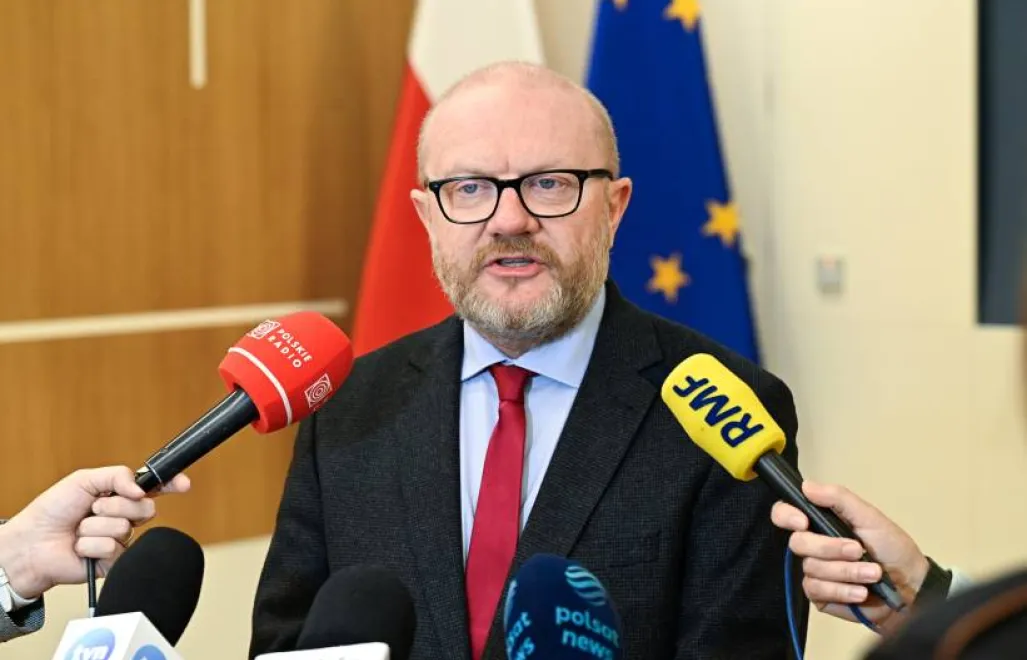
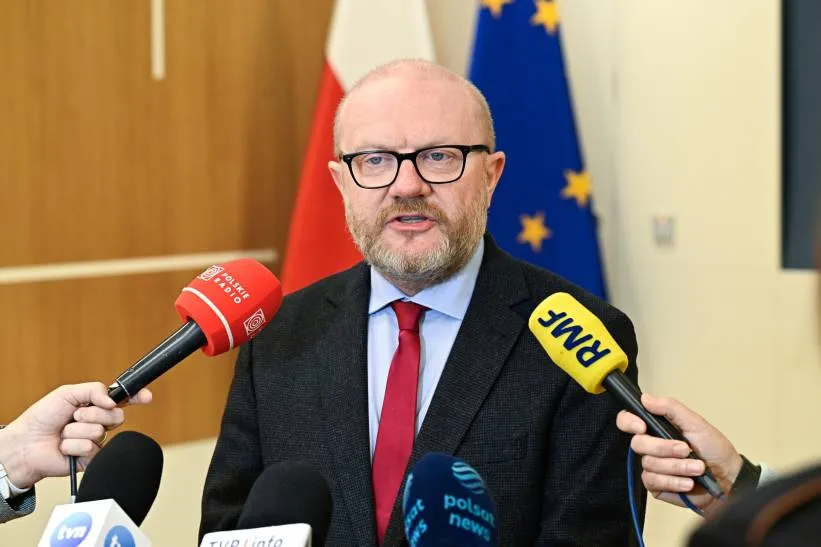
Germany introduced temporary checks on all its land border crossings, including those with Poland, in the autumn of 2024. Since that time Germany extended the period of border checks several times, arguing it had to fight illegal migration. The European Commission (EC) harshly criticised Berlin's decision as Germany is part of the passport-free Schengen zone.
An increasing number of countries bordering Germany have been putting pressure on Berlin to lift the controls.
Duszczyk said that Poland is ready to discuss with Germany a gradual reduction of border controls. However, he said, it would not be easy as the controls issue has been strongly politicised.
"It is much easier to introduce border checks than to give them up," he said.
The issue was discussed at a meeting of European interior ministers in Luxembourg on Thursday. PAP has learnt from EU sources that Germany was strongly criticised at the meeting, particularly by its neighbours, who argued that cross-border workers have been affected the most.
"All the member states that have spoken today have strongly emphasised that the functioning of the Schengen Area is one of the EU's most important tasks. The absence of border controls is one of the core values most highly appreciated by the public across the EU," Duszczyk said in an interview with PAP and Polish Radio.
He went on to say that freedom of travel also has an economic dimension: "The very fact that lorries have to wait at the border causes a very significant increase in the costs of doing business within the single market."
Poland also introduced temporary controls on its borders with Germany and Lithuania, Duszczyk said, but added that the actions were in line with the Schengen code and were related to a real threat of migratory pressure on the route through Belarus and Russia. He said the threats have largely been contained.
"We have done a great deal to seal the border with Belarus, so the migration route through Belarus is practically closed," Duszczyk said, while admitting that Poland continues to monitor the migration issue "on the Lithuanian front" and for this reason maintains border controls with Lithuania.
In its recent report, the EC questioned the justification for Germany's extension of the controls. It said that Berlin's arguments justifying the need to reinstate them do not contain a sufficient risk analysis, including an explanation of how the deteriorating geopolitical situation specifically translates into a threat to Germany and why controls are necessary at all sections of the internal borders. The EC also questioned the choice of a six-month period for the controls, emphasising that Berlin had not explained why a shorter period would be insufficient.
Duszczyk said that the EC report is a strong signal for countries that maintain border checks for too long.
"Several countries have already exceeded the procedures set out in the Schengen Borders Code. This is a message to them: 'think again, are you really sure you need these border controls?'" he said. He added that, thanks to the report, Poland would enter talks with Germany "armed with additional arguments".
Schengen Area countries may reintroduce temporary internal border controls, but only in situations posing a serious threat to public order or internal security, and only for a limited period which may be extended for a total of up to six months. Most recently, in March, Germany once again extended border controls with Poland. They are set to remain in place until September. (PAP)
jd/mmr/ep/