Polish FM in Berlin urges Germany to swiftly address WWII obligations
Polish Foreign Minister Radoslaw Sikorski called on his counterpart in Berlin to move quickly on repatriations and victim compensation before the final generation of Holocaust survivors passes away.
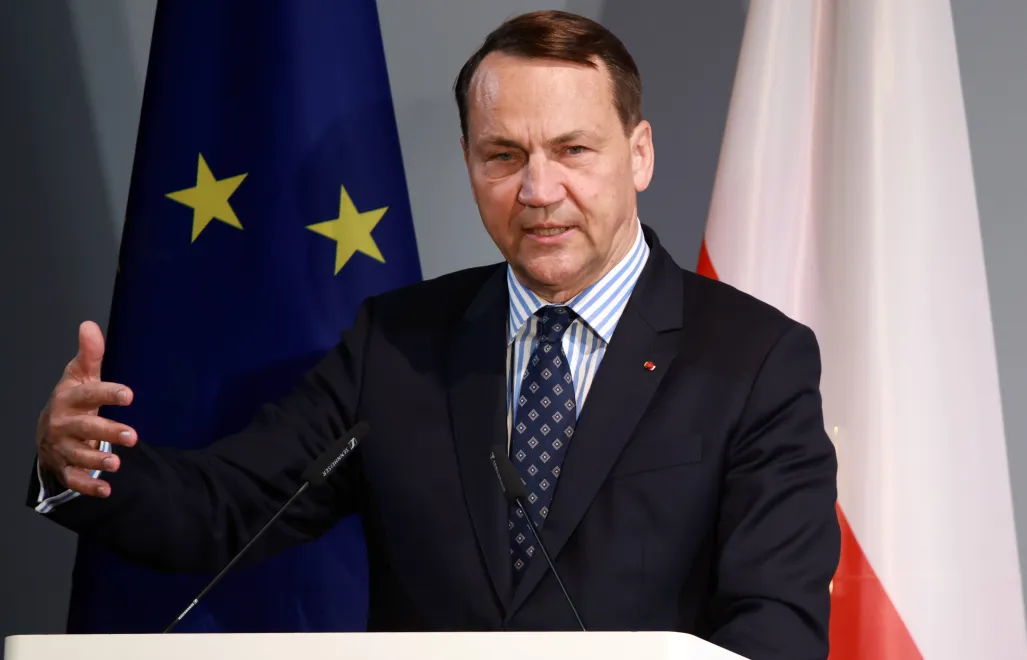
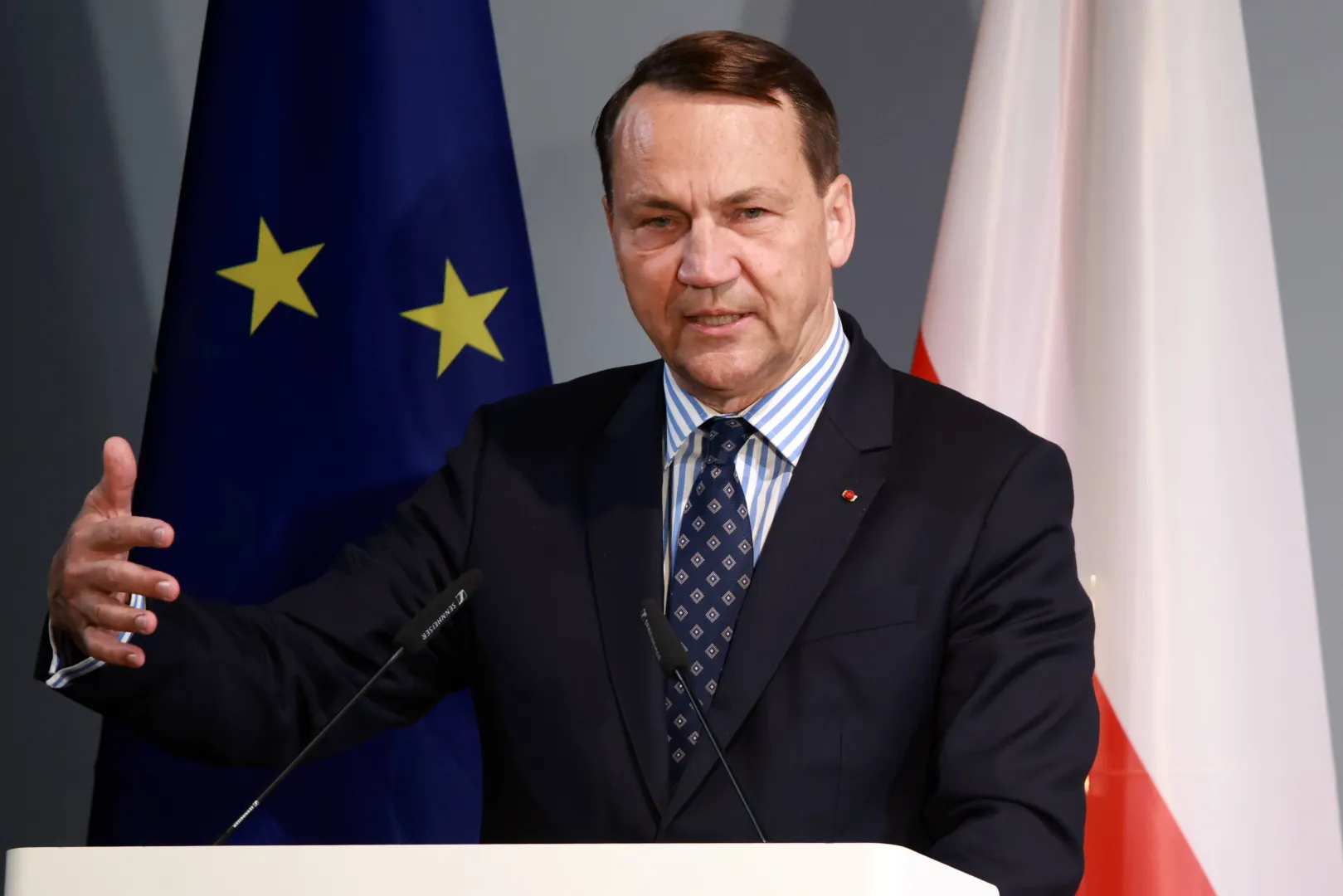
Sikorski met with Johann Wadephul in the German capital on Wednesday to mark 35 years of bilateral cooperation.
Addressing the Polish-German Forum, held at the headquarters of the German foreign ministry, he delivered an urgent appeal regarding historical grievances, saying that the remaining survivors, including concentration camp prisoners and forced labourers heavily impacted by Nazi crimes, are rapidly ageing.
"We have special obligations toward them, both moral and material," Sikorski said. "Therefore, we believe the Federal Republic of Germany should seriously and swiftly confront this challenge."
The forum, titled "Neighbourliness in Times of Change: 35 Years of Polish-German Cooperation," marks the anniversary of the landmark 1991 Treaty on Good Neighbourliness and Friendly Cooperation. Sikorski praised the treaty as a historic breakthrough that shifted the two nations from decades of Cold War-era confrontation and distrust into an era of genuine partnership.
He said that current relations are increasingly balanced, anchored by a booming commercial partnership.
Poland has emerged as one of Germany's most important trading partners, with daily cross-border trade now valued at around EUR 500 million. Sikorski said that German exports to Poland now exceed its exports to the United Kingdom or China, while German imports from Poland surpass those from France or Italy.
Furthermore, Sikorski said that Polish enterprises are no longer just acting as subcontractors, but are actively bringing capital, technology, and jobs to the German market.
However, Sikorski added, building a resilient partnership requires the ability to speak openly about lingering friction points. Chief among them, he argued, are the internal border controls reintroduced by Germany in the autumn of 2023.
He strongly criticised the restrictions, saying that Poland has already secured its own eastern border with an effective barrier that has blocked all irregular migrant crossings since the start of the year. He warned that the ongoing German checks create unnecessary hurdles for daily business and social contact, undermining the cohesion of the European Union.
Wartime cultural destruction also remains a critical point of contention. Sikorski reminded the audience of the immense losses inflicted on Polish cultural heritage by the Third Reich through systemic looting and destruction. While welcoming the return of the few surviving artifacts, he said that Warsaw counts on the determination of German partners to ensure further repatriations of stolen art.
"A difficult history creates divisions, but we are not doomed to them; overcoming them requires sensitivity and responsibility," Sikorski said, adding that the planned monument to Polish WWII victims in Berlin will mark a vital step toward reconciliation.
He reaffirmed that close ties with Berlin serve Poland's long-term strategic interests, particularly as both nations view Russia as the preeminent threat to European peace.
As the forum took place in Berlin, defence ministers Wladyslaw Kosiniak-Kamysz and Boris Pistorius met in Warsaw to sign a landmark bilateral defence cooperation agreement.
"Russia's aggression against Ukraine is a test of our responsibility and foresight," Sikorski said. "We will continue to jointly support Ukraine and strengthen the security of not only the eastern flank but all member states of the community."
Talking later to reporters, he said that Poland and Germany share a common perception of threats and a mutual determination to confront them.
"Together, we will engage in strengthening NATO's eastern flank and enhancing security in the Baltic Sea region," he declared.
Wadephul also hailed the new defence pact, saying that it reinforces Article 5 of the North Atlantic Treaty while opening new avenues for joint military exercises and defence industry cooperation.
"This agreement demonstrates what is clear to us: it is only together that we can safeguard the security of our citizens in the 21st century, and we are taking on more and more shared responsibility toward this goal," he said.
Wadephul admitted that German perceptions of Poland have often been superficial, a reality he believes is finally starting to change. He urged lawmakers from both nations to intensify their cooperation and called for the immediate development of faster rail links between Berlin and Warsaw, noting their strategic military value. Wadephul also announced that a new branch of the Goethe Institute will open in the eastern Polish city of Lublin this November to further deepen cultural ties.
He also said that the implementation of the new European asylum system should eventually render internal border controls unnecessary. "This is what is expected of us by citizens commuting back and forth to work, by tourists, and by the economy." (PAP)
mmr/mf